In this lesson you will learn how to play some simple jazz fills. They will be triplets on the Snare Drum, while keeping time with your left foot on the Hi-Hat pedal. This will help you to smoothly jump into a fill and then back to your time-keeping on the cymbals. A must for any beginner learning to play jazz on the drums.
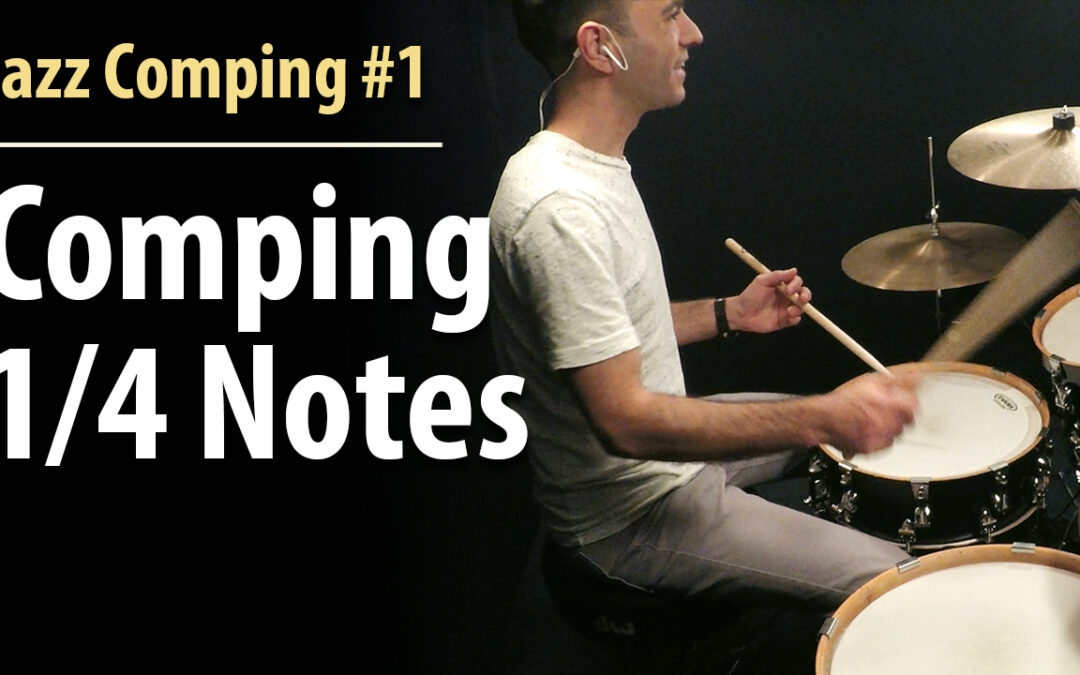
Jazz Comping #1
Learn various 1/4 note rhythms to play on the drums while maintaining a swing feel on the cymbals.
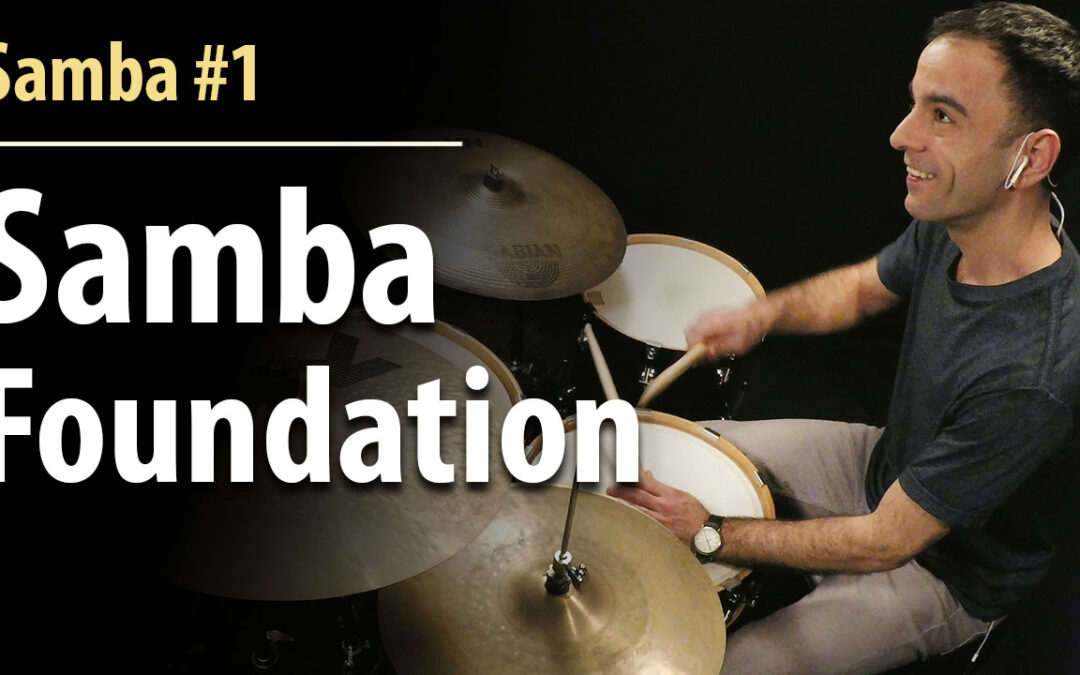
Samba #1
Samba is a style that you must know if you want to have some experience with Brazilian rhythms. This is an essential Latin groove to learn on the drums.
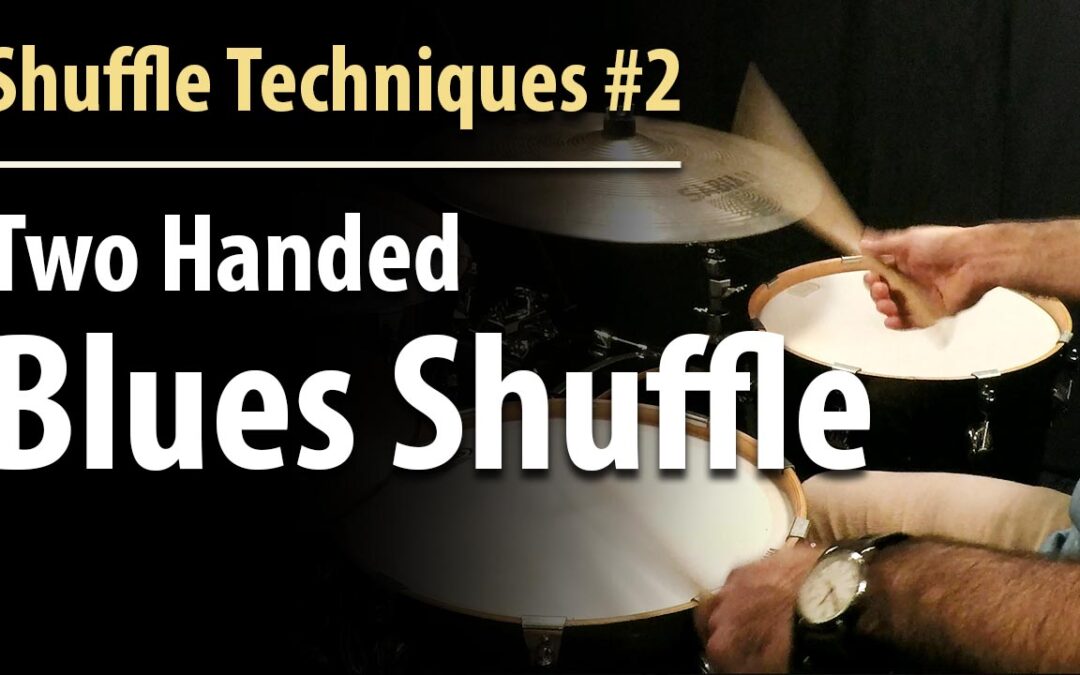
Shuffle Techniques #2
In Blues music, the Shuffle we play on the Ride Cymbal is often played on the Snare Drum as well. This is known as a two handed shuffle. You need to know how to play this groove well if you want to play Blues music.
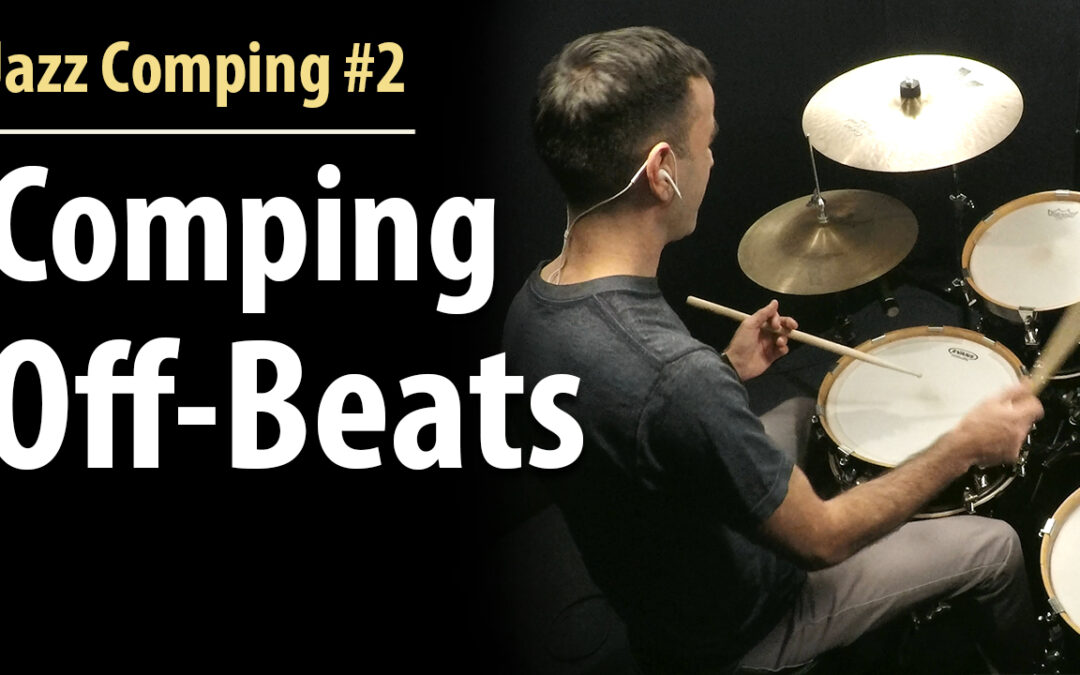
Jazz Comping #2
In today's lesson, we will be comping off-beat rhythms. Since swing is played in a triplet subdivision, this means the notes will always occur when you count "let". Comping off-beat rhythms is extremely important to master in jazz music.
Basic Jazz in 3/4 Time
Learn how to play swing in 3/4 time with some basic comping rhythms.
Mixed 1/16th Rhythms #1
Explore interesting combinations of 1/16th note rhythms that make killer drum fills!
Mixed 1/16th Rhythms #2
Simple 1/16th Rhythms There are so many more rhythms to learn in the vocabulary of 1/16th note rhythms. They are the combination of notes that are...
Mixed 1/16th Rhythms #3
When you play the 2nd and 4th 1/6th note in a beat ("ee" and "ah"), they are the off-beats. In this lesson I will show you two off-beat 1/16th rhythms.
Permutation #1
Permutation is when we explore every possibility of a rhythm or sequence by starting on each note. Let's apply this to patterns on the drums.
Solo Figures #1
Learn a series of rhythms that you can practice as solo figures. You will learn how to play them and how to play a short solo with them.
Solo Figures #2
Jazz is one of the few genres where a drummer gets to play a drum solo. To feel confident when soloing, you need a vocabulary of rhythms.
Bossa Nova #2
Learn how to play the Bossa Nova groove on the Ride Cymbal. You will be playing with both hands and both feet making the coordination more challenging than before.
6/8 Grooves #2
6/8 groove patterns with 1/16th note rhythms.
Hi-Hat Variations #3
This lesson is the first one in a series that is all about spicing up your Hi-Hat rhythms. You will learn how to add a 1/16th note rhythm on the Hi-Hats in 1/8th note groove patterns. This is a great way to add a rhythmic twist to a simple groove. There are 36 groove + Hi-Hat combinations. Practice and master them all.
Baião #1
The Baião is a single repeating bar with a consistent foot pattern that requires both feet. This kind of 4-way coordination is quite challenging especially at faster tempos.
1/16th Note Accents #1
Accents are all about controlling your upstrokes. Learn some easy exercises with 1/16th note accents. All the accents in this lesson are played on the beat.
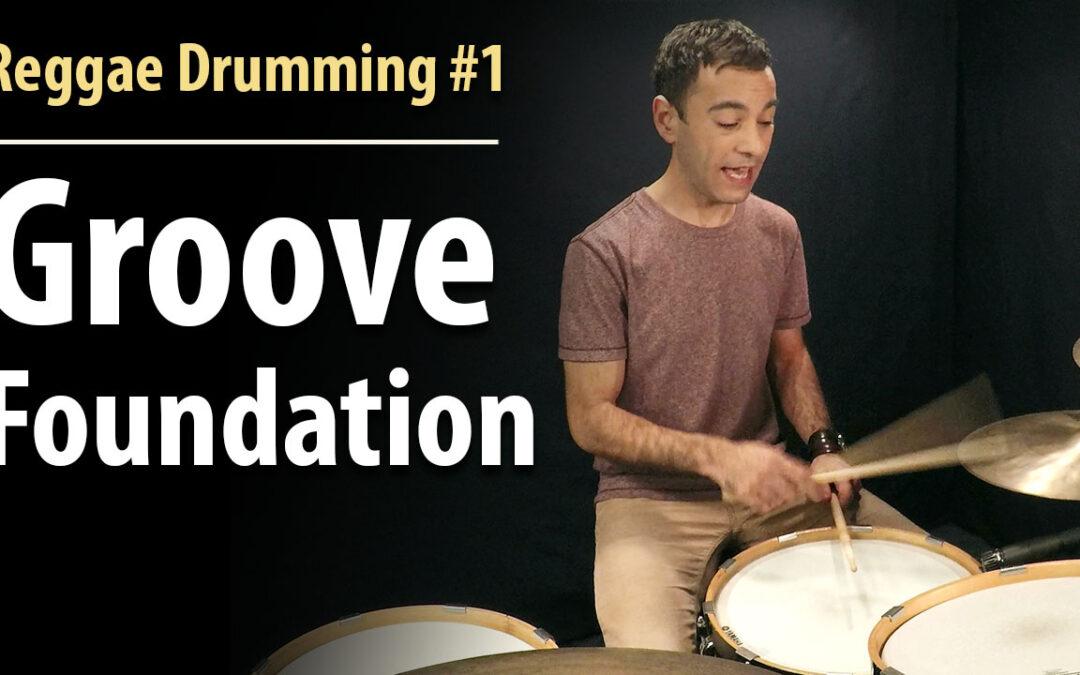
Reggae Drumming #1
Learn the 2 most commonly played reggae grooves. We'll talk a little about how they should feel and sound and we'll practice them together. Reggae is a style of music that originated in Jamaica in the 1960s.
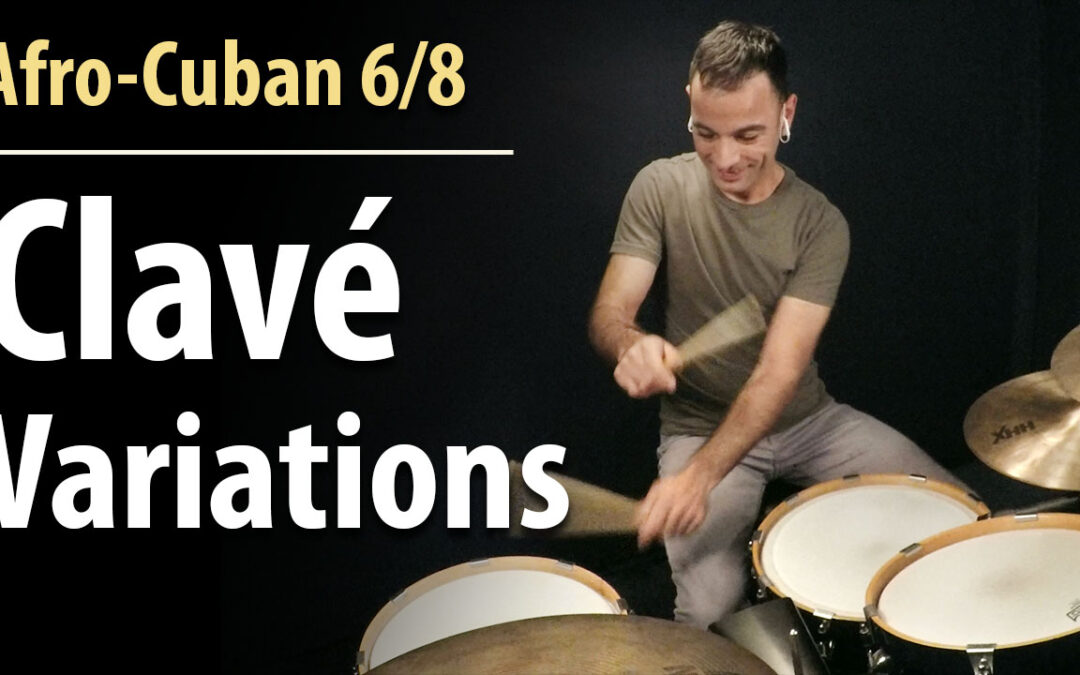
Afro-Cuban #1
The Afro-Cuban groove is one of the most well known grooves to drummers all around the world. Many of these rhythms are polyrhythms, which means that they can be played in 4/4 or 6/8 time. The best place to start is in 4/4 time.
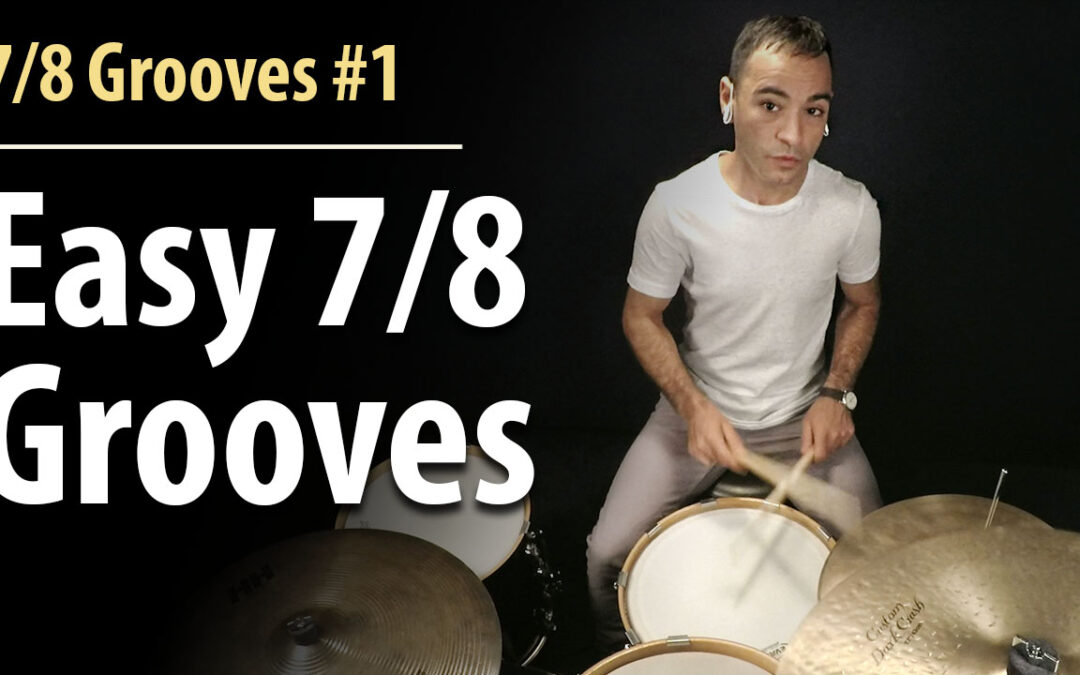
7/8 Grooves #1
Learn to play simple groove patterns in 7/8 time. This means that each bar is made up of only seven 1/8th notes. These grooves use 1/8th note rhythms only.
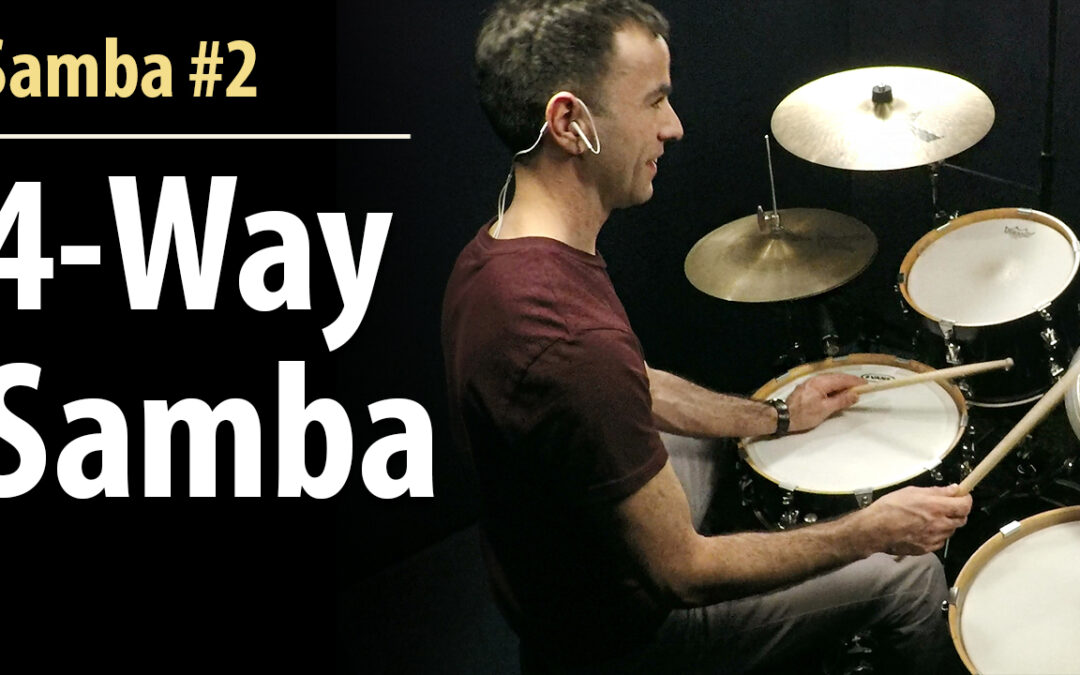
Samba #2
The Samba is an important groove for every drummer to study. It is played at medium to fast tempos and is heard in other genres such as jazz and fusion. When a drummer plays this groove on the Ride Cymbal, we chick the Hi-Hats on beats 2 and 4. This means there is 4-way coordination that is more challenging than before.
3-Beat Figures #1
Learn the basics of playing 3-beat figures on the Ride Cymbal. These are repeating rhythmic figures that are 3 beats long. In 4/4 time, this creates a feeling of going "over the bar-line", because the figures don't always resolve on beat 1. The result is that the time you play on the cymbals is a little less obvious but a whole lot more interesting.
3-Beat Figures #2
The foundation of our time-keeping is the swing pattern on the Ride Cymbal. This is a very repetitive pattern however. Using 3-beat figures you can open up your cymbal phrasing and give it a more melodic quality.
Advanced 1/16th Accents #1
Today we'll be playing 1/16th note exercises with 3 accents in each bar. You will always have 2 accents in one hand and the 3rd in the other hand.
Simple Drummer Blog
A simple drummer blog about all things drums. drummer blog. drummer blog. drummer blog. drummer blog. drummer blog. drummer blog. drummer website and drummers resource.